Abstract · This article provides a detailed technical examination of Calcium Chloride Pellet for Industrial applications, exploring its chemical properties, hygroscopic behavior, and critical role in dehumidification, dust control, and other industrial processes. The discussion covers pellet manufacturing, purity specifications, moisture absorption mechanisms, and application methodologies across diverse industries.
01. Chemical Properties and Hygroscopic Behavior
Calcium Chloride Pellet for Industrial applications is a highly hygroscopic inorganic salt with the chemical formula CaCl₂. Its ability to absorb moisture from the surrounding environment makes it a valuable desiccant and dehumidifying agent across numerous industrial processes.
The hygroscopic nature of calcium chloride is a defining characteristic. At ambient temperatures, the pellet form readily absorbs water vapor from the air, transitioning from a solid to a liquid brine solution as it becomes saturated. This deliquescent property allows calcium chloride to continue absorbing moisture even at high relative humidity levels, making it more effective than many other desiccants in humid environments. The absorption process is exothermic, releasing heat as the moisture is captured, which can be advantageous in certain applications.
CaCl₂
10043-52-4
Highly hygroscopic (moisture-absorbing)
02. Pellet Manufacturing and Purity Specifications
74% to 94% CaCl₂ content depending on grade
Typically 2mm to 6mm diameter for uniform dissolution
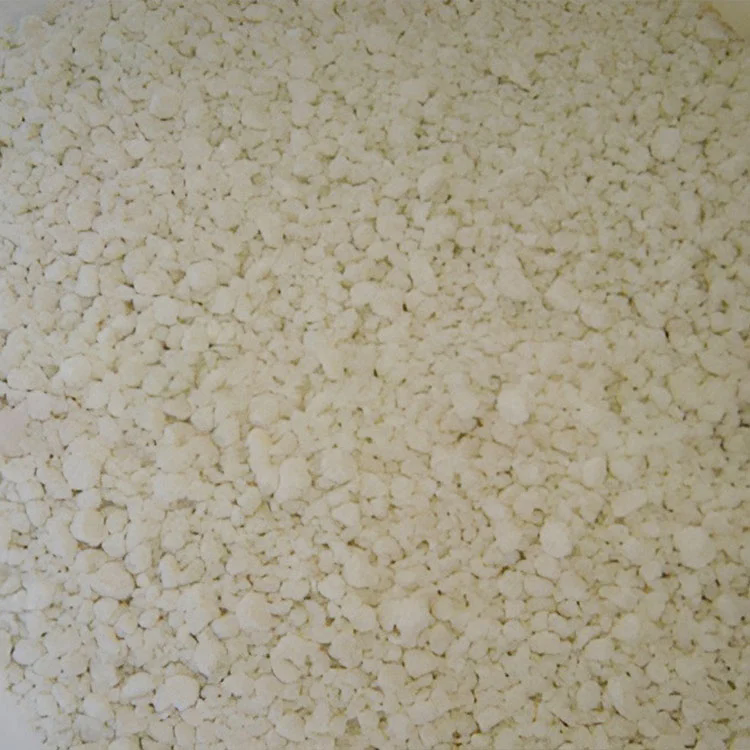
White, free-flowing spherical pellets
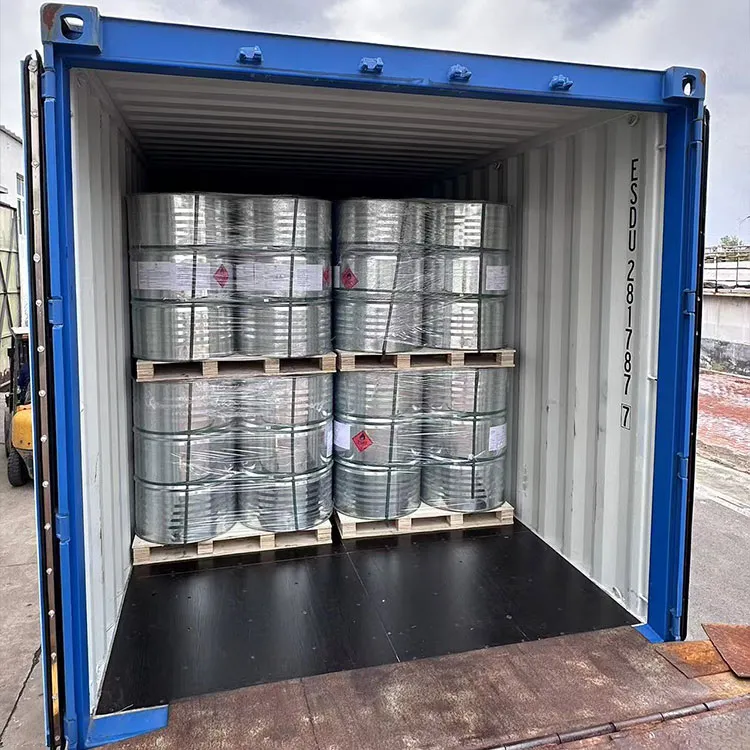
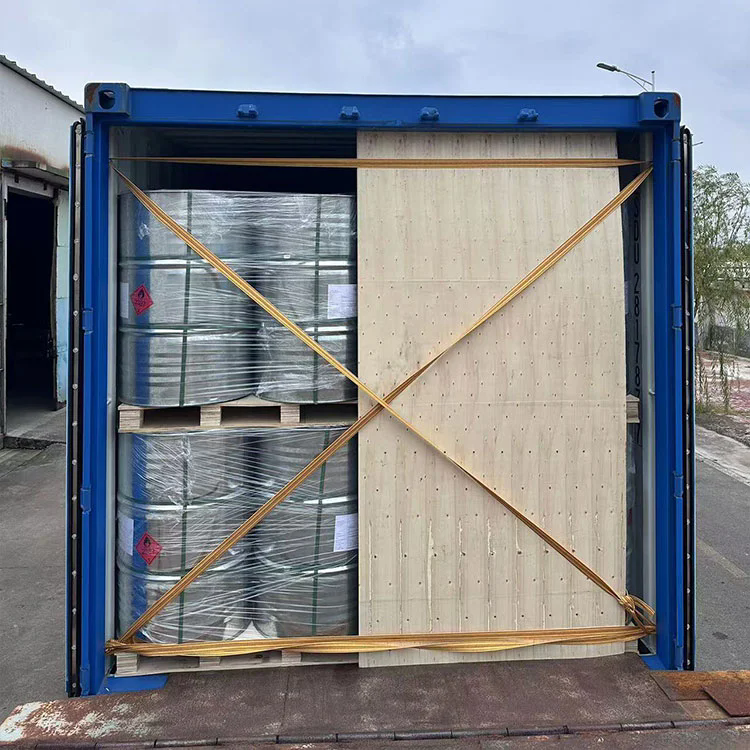
Moisture-barrier bags, drums, or bulk containers
The pellet form is produced through a process of compaction, extrusion, or prilling, which shapes the calcium chloride into uniform, spherical or cylindrical particles. The pellet form offers advantages over flakes or powders, including improved flowability, reduced dust generation, and more controlled dissolution rates. Purity specifications vary by application, with industrial grades typically ranging from 74% to 94% calcium chloride content. Higher purity grades are specified for applications requiring minimal impurities, such as in the food and pharmaceutical industries.
03. Dehumidification Mechanisms and Performance
The dehumidification capability of Calcium Chloride Pellet for Industrial use is based on its hygroscopic and deliquescent properties. The pellets absorb moisture from the air through a process of chemical hydration, forming hydrated calcium chloride compounds.
- Moisture Absorption: The pellets absorb water vapor from the air, reducing the relative humidity in enclosed spaces.
- Deliquescence: As the pellets absorb moisture, they dissolve in the absorbed water to form a concentrated brine solution.
- Continuous Operation: The brine solution continues to absorb moisture until it becomes saturated, at which point it must be drained or replaced.
- Temperature Stability: Calcium chloride remains effective across a wide temperature range, from sub-zero to elevated temperatures.
- Capacity: One kilogram of calcium chloride can absorb approximately 1.5 to 2 kilograms of water, depending on the humidity and temperature conditions.
Performance Note: The rate of moisture absorption depends on the relative humidity of the air, the surface area of the pellets, and the temperature. Higher humidity and larger surface area increase the absorption rate. The pellets should be spread in a thin layer to maximize exposure to the air.
04. Dust Control and Surface Stabilization
In addition to dehumidification, calcium chloride pellets are widely used for dust control on unpaved roads, construction sites, and industrial yards. The mechanism of dust control relies on the hygroscopic nature of the material.
- Moisture Retention: The calcium chloride absorbs moisture from the air and retains it on the surface, keeping dust particles bound together.
- Surface Stabilization: The moisture film created by the calcium chloride helps to bind fine particles and prevent them from becoming airborne.
- Long-Lasting Effect: The hygroscopic action continues as long as the calcium chloride remains on the surface, providing extended dust suppression.
- Application Rate: Typical application rates range from 0.5 to 0.7 kg/m² for unpaved roads, depending on surface conditions and traffic volume.
- Reapplication: Reapplication may be required after heavy rainfall or extended dry periods.
The dust control properties of calcium chloride make it a cost-effective and environmentally practical solution for managing dust emissions at industrial sites and remote infrastructure projects.
05. Industrial Applications and Process Integration
Calcium Chloride Pellet for Industrial use spans a wide range of applications beyond dehumidification and dust control.
| Application | Function | Typical Use |
|---|---|---|
| Desiccant | Moisture absorption in packaging | Protecting electronics, machinery, and textiles during shipping and storage |
| Dust Control | Surface stabilization | Unpaved roads, construction sites, mining operations |
| Concrete Acceleration | Accelerating setting time | Cold-weather concreting and rapid repair applications |
| Refrigeration Brine | Heat transfer medium | Industrial refrigeration systems and ice rinks |
| Chemical Processing | Source of calcium ions | Production of other calcium compounds |
| Wastewater Treatment | Flocculation aid | Removal of suspended solids and phosphates |
Based on typical industrial applications for calcium chloride pellets.
In each application, the specific grade of calcium chloride and the form (pellet, flake, or liquid) are selected based on the process requirements. The pellet form is preferred where controlled dissolution and minimal dust generation are important.
06. Handling, Storage, and Safety Considerations
Proper handling and storage of calcium chloride pellets are essential to maintain product quality and ensure safety. The hygroscopic nature of the material means that it will absorb moisture from the air if not stored properly.
- Storage: Store in a cool, dry place in sealed containers or moisture-barrier bags. Keep away from direct sunlight and sources of moisture.
- Handling: Use appropriate personal protective equipment (PPE), including gloves and eye protection, when handling calcium chloride. Avoid inhalation of dust and contact with skin and eyes.
- Spill Response: Clean up spills promptly. Calcium chloride can create slippery surfaces when wet. Use absorbent materials and dispose of properly.
- Compatibility: Avoid contact with reactive metals such as aluminum, zinc, and brass, as calcium chloride can accelerate corrosion.
- Disposal: Dispose of calcium chloride in accordance with local regulations. It is generally non-toxic to the environment but can affect aquatic life in high concentrations.
Safety Note: Calcium chloride is generally recognized as safe when used as intended, but it should be handled with care. Direct contact with the skin can cause irritation, especially if the skin is wet or broken. Always follow the manufacturer's safety data sheet (SDS) for specific handling instructions.
Frequently Asked Questions
Technical specifications and safety data may vary. Always consult the manufacturer's documentation and safety data sheet for your specific application requirements.