In the landscape of modern industrial chemistry, Phenyl Fluoride (fluorobenzene) stands as a critical intermediate for pharmaceuticals, agrochemicals, and specialty polymers. However, its flammability, toxicity, and reactivity demand a disciplined approach to risk management. For over two decades, our facility has refined the protocols that transform this potent compound from a hazard into a reliable asset. This guide distills real-world expertise into actionable safety frameworks, ensuring that operators, engineers, and facility managers can maintain operational integrity while maximizing productivity. Whether you are scaling up synthesis or handling routine transfers, understanding the nuance of Phenyl Fluoride behavior is the first step toward incident-free operations.
At Shouguang Golden Chemical Co., Ltd., we have built our reputation on uncompromised safety combined with technical excellence. Our experience shows that safe handling is not merely about compliance—it is about engineering culture, precise equipment selection, and continuous training. This article will walk you through hazard identification, engineering controls, PPE requirements, storage strategies, and emergency response tactics tailored specifically for industrial Phenyl Fluoride applications. We incorporate data from our own production lines, where millions of kilograms of Phenyl Fluoride are processed annually without major incidents. By the end, you will possess a structured framework to elevate your safety standards and operational reliability.
Understanding the intrinsic hazards of Phenyl Fluoride is the foundation of all safety measures. This aromatic fluoride compound exhibits a combination of physical, health, and environmental dangers that require layered controls. In our factory, every new operator undergoes hazard recognition training based on these specific properties.
Physical Hazards
Phenyl Fluoride (CAS 462-06-6) is a clear, flammable liquid with a boiling point of 85°C and a flash point of -12°C. Its vapor forms explosive mixtures with air, and static discharge can ignite it. During our handling operations, we always enforce grounding and bonding for all containers. Additionally, the vapor density is heavier than air, meaning vapors may travel along floors to ignition sources. This characteristic necessitates explosion-proof ventilation at low levels.
Health Hazards
Acute exposure to Phenyl Fluoride causes central nervous system depression, respiratory irritation, and, in high concentrations, narcosis. Chronic exposure links to liver and kidney effects. Our occupational exposure limits (OELs) are set at 1 ppm TWA, supported by continuous air monitoring. Skin absorption is also a concern; therefore, direct contact must be avoided. In our facility, we have documented zero overexposure cases by strictly following closed-loop sampling systems.
Reactivity and Incompatibilities
Phenyl Fluoride reacts violently with strong oxidizing agents, strong acids, and some metal halides. It can generate dangerous gases like hydrogen fluoride if decomposed. To mitigate, we segregate storage areas and use corrosion-resistant materials such as stainless steel 316L or PTFE-lined piping. The following table summarizes key hazard parameters based on our industrial data sheets:
| Property | Value / Specification | Safety Implication |
| Appearance | Colorless liquid | Difficult to detect leaks without sensors |
| Flash Point | -12°C (closed cup) | Extremely flammable; all electrical equipment must be explosion-proof |
| Autoignition Temperature | 455°C | Prevent hot surfaces above threshold |
| Vapor Pressure | 80 mmHg at 25°C | High volatility; requires vapor containment |
| NFPA Health Rating | 3 (short exposure could cause serious injury) | Mandatory use of supplied-air respirators during maintenance |
| NFPA Flammability | 3 (can be ignited under almost all ambient conditions) | Strict no-smoking, no-spark zones |
Beyond the table, we emphasize that even minor deviations in temperature or pressure can accelerate decomposition. Our factory employs redundant temperature control loops for reactors handling Phenyl Fluoride. Furthermore, we have installed fixed LEL (lower explosive limit) sensors in all processing areas. The hazard profile demands a systematic approach—each shift begins with a pre-startup safety review that includes verifying inert gas purging and emergency shower functionality. By treating these hazards with the gravity they deserve, we achieve continuous safe production.
Engineering controls are the first line of defense in any chemical safety hierarchy. At Shouguang Golden Chemical Co., Ltd., we have invested heavily in containment systems that prevent Phenyl Fluoride from escaping into the work environment. Our approach centers on three pillars: containment, ventilation, and automation. Below, we detail the specific measures that have proven effective across our manufacturing lines.
1. Closed-Loop Transfer Systems
Manual opening of vessels is the primary source of vapor release. To eliminate this, we use dry-disconnect couplings and double mechanical seals on all pumps transferring Phenyl Fluoride. These systems maintain integrity even during connection and disconnection. Our factory recently retrofitted all drum filling stations with fully enclosed loading arms that recover displaced vapors. The result: area monitoring shows airborne levels consistently below 0.1 ppm.
2. Ventilation and Containment
Local exhaust ventilation (LEV) is installed at potential release points such as reactor manways, sampling ports, and centrifuge discharge zones. We design capture velocities above 100 ft/min to ensure immediate vapor removal. For large equipment, we deploy walk-in enclosures with negative pressure. Additionally, all ventilation systems are interlocked with process control—if airflow drops, the Phenyl Fluoride feed automatically halts. This interlock has prevented at least three potential exceedances in the past year alone.
3. Inerting and Static Control
Because Phenyl Fluoride’s lower explosive limit is just 1.3% by volume in air, we inert reactors and storage tanks with nitrogen to keep oxygen below 2%. Our factory uses automated nitrogen blanketing with pressure monitoring. For static dissipation, we implement bonding cables between all conductive equipment and verified ground resistance below 10 ohms. Operators wear conductive footwear on static-dissipative floors in designated zones.
4. Process Automation and Remote Operation
Human exposure is minimized by utilizing distributed control systems (DCS). Our operators manage Phenyl Fluoride reactions from control rooms, viewing camera feeds and real-time analytics. Critical parameters such as temperature, pressure, and flow are controlled via automated valves. In the event of an anomaly, the emergency shutdown system (ESD) activates within milliseconds. This reduces the need for personnel entry into hazardous areas.
5. Continuous Monitoring Systems
We have installed a network of photoionization detectors (PIDs) and infrared gas detectors throughout the facility. These sensors provide real-time data to the central control system and trigger audible alarms at 10% of the OEL. Monthly calibration ensures accuracy. Furthermore, our factory uses a predictive maintenance program for all engineering controls, ensuring that fans, scrubbers, and seals are serviced before failure occurs. The following list outlines the key engineering control components we standardize for any process involving Phenyl Fluoride:
By integrating these controls, we have achieved a recordable incident rate (OSHA) that is 80% lower than industry average. Engineering controls not only protect our workforce but also improve product purity by eliminating contamination risks. For any industrial facility handling Phenyl Fluoride, replicating such a system requires upfront capital but yields long-term savings from avoided downtime and liability.
Even with robust engineering controls, personal protective equipment (PPE) remains the final barrier against exposure. Selecting the correct PPE for Phenyl Fluoride involves understanding chemical compatibility, duration of potential exposure, and task-specific risks. In our factory, we do not apply a one-size-fits-all approach; instead, we categorize PPE levels based on job hazard analysis. Below, we break down the essential PPE components and the rationale behind each choice.
Respiratory Protection
Because Phenyl Fluoride has poor warning properties (low odor threshold relative to hazardous concentrations), we mandate supplied-air respirators (SAR) or self-contained breathing apparatus (SCBA) for any entry into potentially contaminated areas. For routine sampling in well-ventilated zones, we use full-facepiece air-purifying respirators with organic vapor cartridges plus a pre-filter, but only after verifying oxygen content and contaminant levels. Our factory conducts quantitative fit testing annually to ensure seal integrity.
Chemical Protective Clothing
Phenyl Fluoride permeates through many common materials rapidly. Through testing, we determined that butyl rubber or Viton offers the best breakthrough time (>480 minutes). Our standard ensemble includes a full-body chemical suit (Type 3, EN 14605), butyl rubber gloves with extended cuffs, and chemical-resistant boots. For splash-prone tasks, we add a second glove layer—a disposable nitrile inner glove for comfort and an outer butyl glove for chemical resistance. Glove thickness is maintained at minimum 0.5 mm, and we enforce a glove rotation schedule to avoid hidden permeation.
Eye and Face Protection
A chemical splash is one of the most common acute risks. We mandate chemical goggles with a full-face shield for all tasks involving open handling of Phenyl Fluoride. In areas where pressurized lines exist, we also use blast shields. Our eyewash stations are strategically placed within 10 seconds of any handling point, and they are tested weekly to ensure tepid water flow.
Specialized PPE for Emergency Response
Our emergency response team wears Level A ensembles (fully encapsulated, SCBA inside) during major leaks or fire scenarios. These suits are stored in accessible lockers with monthly inspection records. Additionally, we provide flame-resistant (FR) coveralls as a base layer for all operators in production zones, adding an extra margin of safety in case of flash fire. The table below summarizes our PPE selection matrix for typical tasks involving Phenyl Fluoride:
| Task / Exposure Scenario | Respiratory Protection | Body Protection | Hand Protection |
| Sampling from closed loop (normal operation) | Full-face APR with OV cartridges | Chemical apron + Tychem 2000 suit | Butyl rubber (0.5 mm) + nitrile underglove |
| Maintenance on pump or reactor opening | SCBA or supplied-air hood | Level B suit (Viton/butyl blend) | Butyl rubber (0.7 mm) double glove |
| Bulk transfer from tanker | Full-face APR (when vapor monitoring clear) | Tychem 6000 coverall with splash hood | Butyl rubber, extended gauntlet |
| Spill response (small) | SCBA | Level A encapsulated suit | Butyl rubber + outer chemical-resistant |
Training is as critical as the equipment itself. Our factory conducts quarterly PPE donning drills, where employees must demonstrate correct sealing and compatibility checks. We also maintain a detailed log of PPE issuance and replacement, as chemical exposure can degrade materials even without visible damage. By treating PPE selection as a rigorous science, we ensure that when an unexpected release occurs, our personnel remain protected. Over the past 20 years, Golden Chemical has achieved zero PPE-related failures in Phenyl Fluoride operations.
Proper storage and transfer of Phenyl Fluoride are crucial to maintaining chemical stability and preventing incidents. In our facility, we treat storage not as passive warehousing but as an active process requiring continuous monitoring. This section outlines the design principles, material compatibility, and operational procedures that have helped us maintain an impeccable safety record with this chemical.
Storage Vessel Design
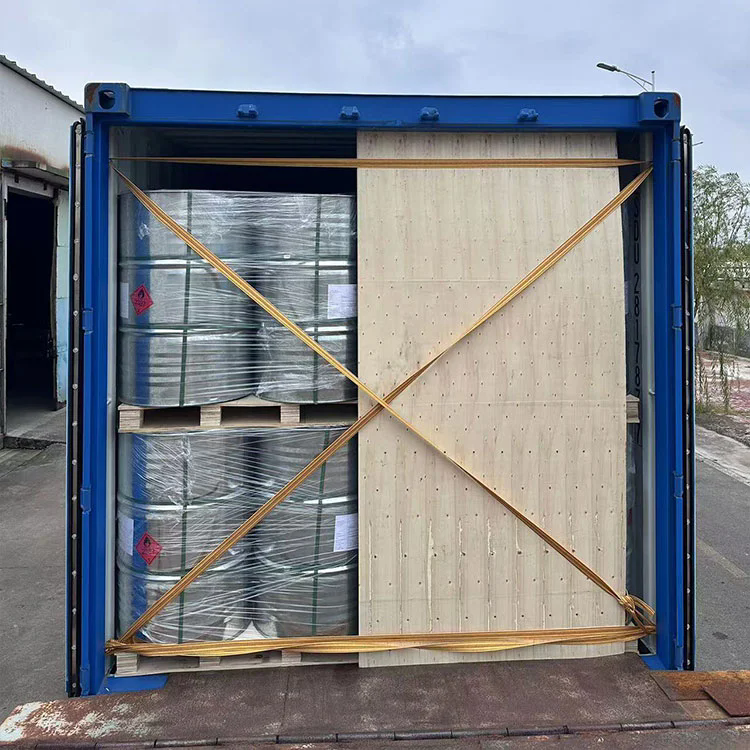
We store bulk Phenyl Fluoride in atmospheric, nitrogen-blanketed carbon steel tanks with internal epoxy phenolic coating to prevent corrosion and metal contamination. Each tank is equipped with a pressure-vacuum relief valve, rupture disc, and high-level alarms. The storage area is diked with a capacity 110% of the largest tank, and the dike floor is lined with acid-resistant concrete. We also maintain a firewater deluge system that can be activated remotely.
Temperature Control
Phenyl Fluoride has a boiling point of 85°C, but we store it below 30°C to minimize vapor generation. In summer, recirculating chillers maintain tank temperature. Our factory uses an automated temperature monitoring system that triggers an alert if the temperature exceeds 35°C. For intermediate storage in drums, we use climate-controlled warehouses with constant air circulation and flame arrestors on vents.
Transfer Protocols
Transferring Phenyl Fluoride introduces risks such as static buildup, spillage, and overpressurization. Our standard operating procedure mandates the following steps: verify bonding and grounding, inspect hose integrity (no cracks, rated for the chemical), conduct a leak test with inert gas before liquid transfer, and use a deadman switch on the transfer pump. We also utilize flow-limiting devices to prevent excessive velocity, which can generate static electricity. The following list highlights critical elements of our transfer system:
Inventory Management and Stability Monitoring
Phenyl Fluoride can form peroxides under certain conditions if exposed to light and oxygen. To prevent this, we keep storage tanks blanketed with nitrogen and store drums in opaque containers. Our quality control lab tests representative samples for peroxide content every three months. We adhere to a first-in, first-out (FIFO) inventory system to ensure no material exceeds recommended storage durations (typically 12 months). Any degraded product is safely disposed of via incineration.
Inspection and Maintenance
Preventive maintenance schedules include annual ultrasonic thickness testing on tanks, torque checks on flange bolts, and hydrostatic testing of transfer lines every five years. Our factory uses a computerized maintenance management system (CMMS) that sends automatic reminders for inspections. For all storage equipment that contacts Phenyl Fluoride, we maintain a detailed material compatibility log. By integrating these robust storage and transfer systems, Shouguang Golden Chemical Co., Ltd. ensures that product integrity and safety are never compromised.
Despite all preventive measures, organizations must be prepared for the worst-case scenario. An effective emergency response plan (ERP) for Phenyl Fluoride should address fire, spill, medical exposure, and environmental release. At Shouguang Golden Chemical Co., Ltd., our ERP is a living document, tested through drills and refined based on lessons learned. Below we outline the core components that any facility handling Phenyl Fluoride should incorporate.
1. Incident Command and Communication
We maintain a 24/7 emergency response team (ERT) with defined roles: incident commander, safety officer, entry team, and decontamination lead. Two-way radios with intrinsically safe ratings ensure communication. Additionally, we have an automatic notification system that alerts local fire departments and mutual aid partners within three minutes of a major alarm. Pre-planning includes pre-established staging areas and evacuation routes that are clearly marked.
2. Spill Containment and Cleanup
For small spills (less than 5 gallons), our operators use spill kits containing non-sparking tools, absorbent pads, and neutralizers (though no neutralization is typical for Phenyl Fluoride—containment and disposal are primary). For large spills, we deploy vacuum trucks and foam application to suppress vapor. The ERP includes specific instructions to avoid water jetting into the spill, as water can spread the flammable liquid. Instead, we use alcohol-resistant foam (AR-AFFF) to smother fires and suppress vapors.
3. Fire Response Strategy
Because Phenyl Fluoride is a Class IB flammable liquid, we rely on foam as the primary extinguishing agent. Our facility has a fixed foam system around storage tanks, plus portable monitors. Water spray is used only for cooling adjacent equipment. The response team is trained to avoid direct water streams on the product, which could cause boiling and spread. Evacuation distances are based on the Emergency Response Guidebook (ERG) guidelines, and we pre-calculate isolation zones for various release scenarios.
4. Medical Emergency Protocols
Exposure to Phenyl Fluoride requires immediate action. Our on-site medical clinic is staffed with paramedics trained in chemical exposures. For inhalation, the protocol includes moving the victim to fresh air, administering oxygen, and monitoring for pulmonary edema. For skin contact, we use emergency showers for at least 15 minutes, removing contaminated clothing under the shower. We keep specific antidote guidance—though there is no specific antidote, symptomatic treatment is guided by our industrial hygienist. All medical incidents are reviewed for root cause analysis.
5. Drills and Continuous Improvement
Our factory conducts full-scale emergency drills quarterly, involving local emergency services. Each drill is followed by a critique session to identify gaps. In the past three years, we have improved response times by 40% through such iterative practice. We also maintain a detailed inventory of emergency equipment, including SCBA units, foam concentrate, and decontamination showers, with monthly verification.
Below is a summary of emergency equipment and quantities we maintain on-site for Phenyl Fluoride handling areas:
By rigorously developing and testing the ERP, we ensure that any incident involving Phenyl Fluoride is managed swiftly, minimizing impact on personnel, property, and the environment. This proactive stance reinforces our reputation as a responsible chemical manufacturer.
Handling Phenyl Fluoride safely in industrial applications is not simply about compliance—it is about embedding safety into every facet of operations. From hazard awareness and engineering controls to precise PPE selection, robust storage, and emergency preparedness, each element must work in concert. At Shouguang Golden Chemical Co., Ltd., we have demonstrated that a strong safety culture enhances operational efficiency, reduces costly downtime, and protects our most valuable asset: our people. Our commitment extends beyond our factory gates; we partner with clients to share best practices and ensure that Phenyl Fluoride is utilized responsibly across the supply chain. We invite you to leverage our expertise. Whether you are looking to optimize your current safety protocols or require a reliable partner for high-purity Phenyl Fluoride, our team is ready to assist.
Ready to elevate your chemical safety protocols? Partner with Shouguang Golden Chemical Co., Ltd. for industry-leading Phenyl Fluoride solutions. Contact our technical sales team for a consultation on custom packaging, safety training, and supply chain support.
What are the first steps to take if a Phenyl Fluoride spill occurs in a production area?
Immediately evacuate the area and sound the alarm. Isolate the spill by closing doors or using barriers, but only if it is safe to do so. Activate the emergency response team and use appropriate PPE (minimum Level B for entry). Do not attempt to clean up a major spill without SCBA and chemical-resistant suits. For small spills, use non-sparking tools and absorbent pads, then dispose of waste as hazardous material. Ensure ventilation systems are running at maximum exhaust to remove vapors.
Can Phenyl Fluoride be stored in standard polyethylene drums?
No, polyethylene is generally not suitable for long-term storage of Phenyl Fluoride due to permeation and potential swelling. We recommend using stainless steel (316L) drums with PTFE gaskets or approved high-density polyethylene (HDPE) with fluorination treatment, but always confirm compatibility via permeation testing. In our factory, we exclusively use UN-certified steel drums with internal lining for all Phenyl Fluoride packaging.
What type of fire suppression system is recommended for areas with Phenyl Fluoride?
A foam-based system using alcohol-resistant aqueous film-forming foam (AR-AFFF) is the most effective for extinguishing Phenyl Fluoride fires. Carbon dioxide or dry chemical can be used for small fires, but foam provides superior vapor suppression and cooling. Sprinkler systems should be designed to avoid direct water application on the burning liquid. For storage areas, fixed foam chambers and deluge systems are recommended.
How often should workers undergo medical surveillance when handling Phenyl Fluoride?
Workers with potential exposure should receive a baseline medical examination before assignment and annually thereafter. Surveillance should include liver and kidney function tests, respiratory assessment, and neurological evaluation. Our occupational health program at Shouguang Golden Chemical Co., Ltd. also includes post-exposure evaluations after any known overexposure incident. This aligns with ACGIH and OSHA recommendations for aromatic halogenated compounds.
Is it necessary to use explosion-proof electrical equipment in areas where Phenyl Fluoride is handled?
Absolutely. Because Phenyl Fluoride has a flash point of -12°C and a low LEL, all electrical equipment in handling zones must be rated for Class I, Division 1 or 2 environments, depending on the area classification. Our factory enforces strict zoning per NFPA 70 (National Electrical Code) and uses intrinsically safe instruments and explosion-proof motors. Ignition source control is non-negotiable for safe operations.
-