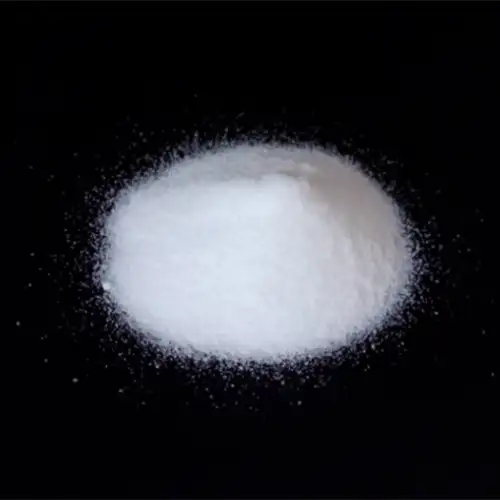
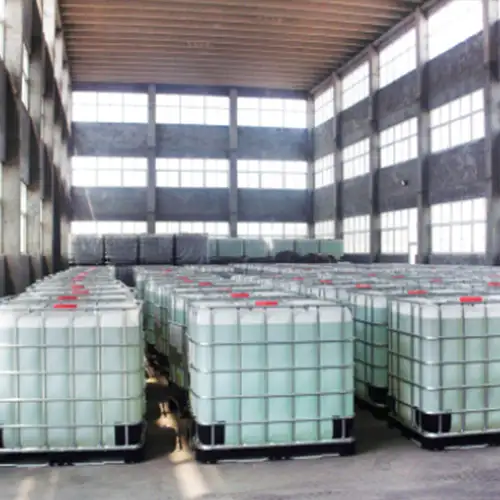
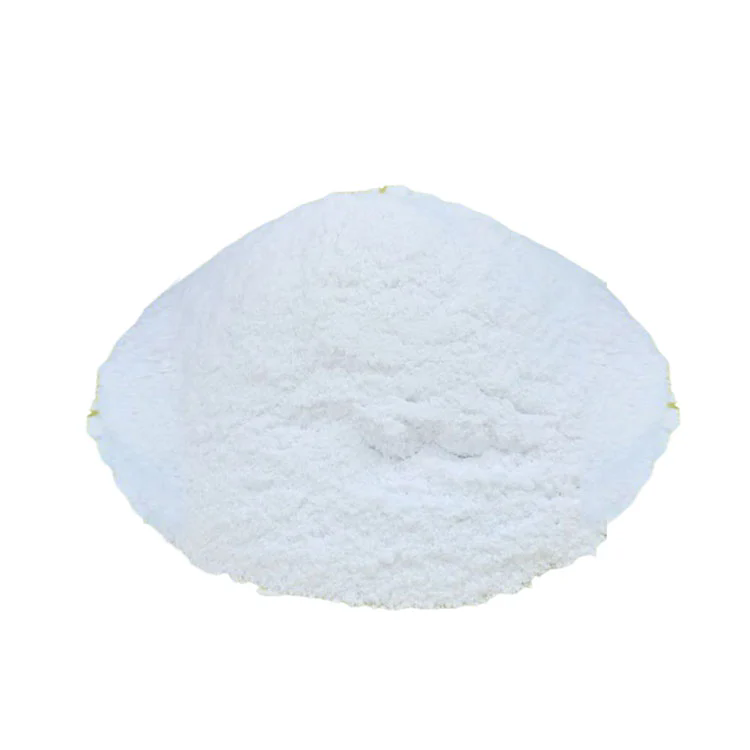
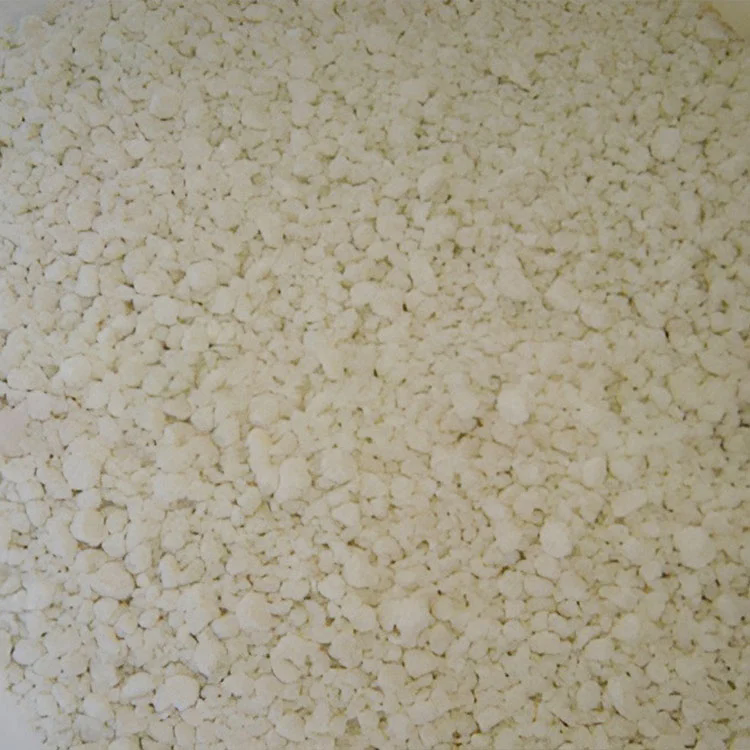
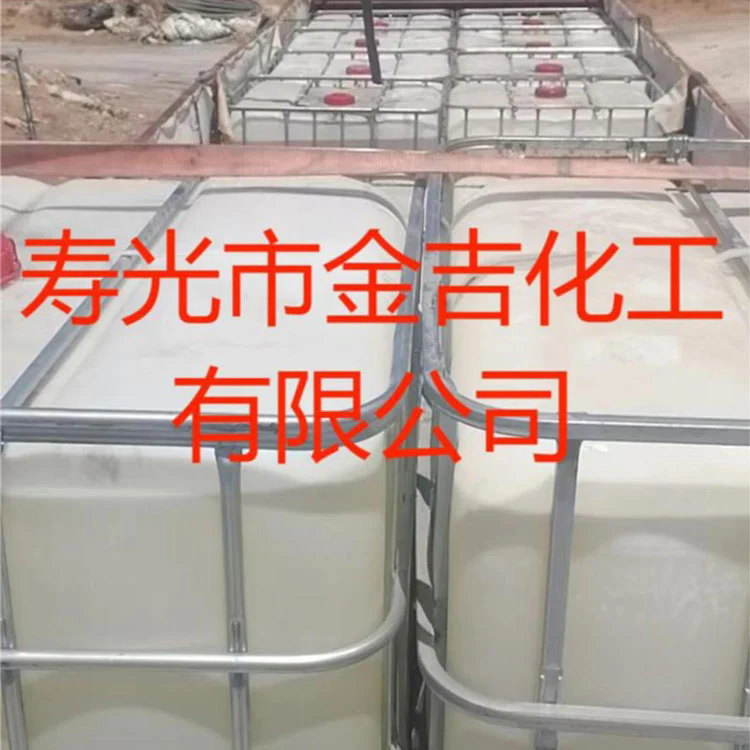
As temperatures drop across northern regions, municipalities are stockpiling a key compound for road safety: calcium chloride. This versatile salt is favored for its ability to generate heat upon contact with moisture, enabling it to melt ice rapidly even in sub-zero conditions. Unlike common sodium chloride, it is less damaging to soil and concrete when used appropriately.
Chemically represented as CaCl2, its uses extend far beyond winter roads. It is vital in controlling dust on unpaved surfaces, in food processing as a firming agent, and in industrial settings for drying gases. The compound is also crucial in concrete acceleration and oil well drilling fluids.
However, environmental scientists urge moderation. Over-application can lead to chloride accumulation in waterways, potentially harming aquatic life. Experts recommend calibrated application rates and combining it with abrasive materials like sand to minimize ecological impact while maintaining public safety.
We use cookies to offer you a better browsing experience, analyze site traffic and personalize content. By using this site, you agree to our use of cookies.
Privacy Policy